
This post may contain affiliate links, which means I may receive commissions when you click links and make purchases at no extra cost to you. View details here. By purchasing items through the included links, you’ll help keep this site running. Thank you for your support!
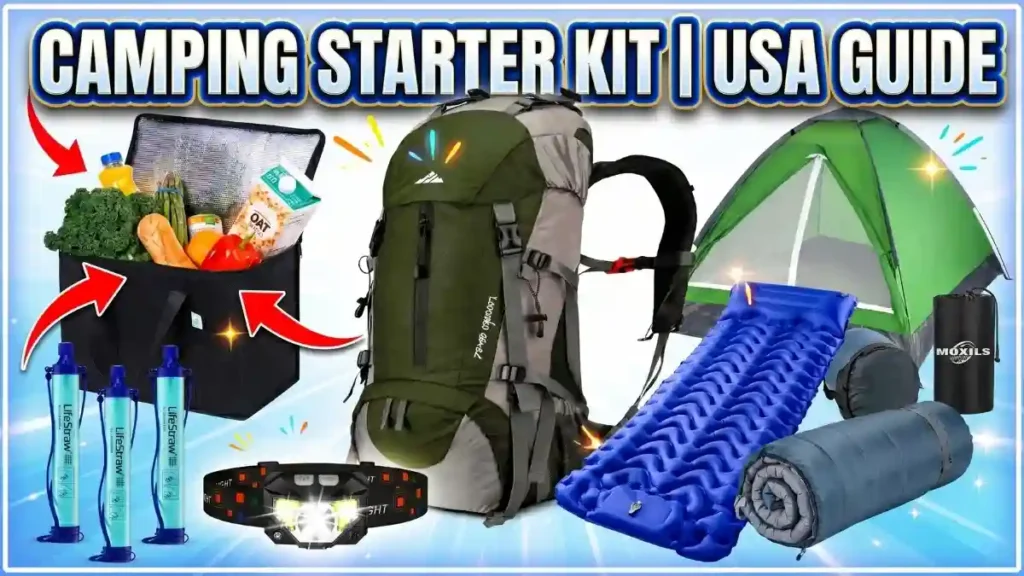
Camping is one of the best ways to enjoy nature in the United States. From peaceful forests to mountain views and lakeside sunsets, camping gives you a break from busy daily life. But if you are just starting, choosing the right camping gear can feel confusing.
Many beginners buy too much or pick the wrong items. This can make the trip uncomfortable instead of fun. The good news is—you do not need everything. You only need the right essentials that are simple, reliable, and beginner-friendly.
This guide is written based on real beginner needs, practical use, and trusted outdoor recommendations. According to the National Park Service, proper preparation and the right gear are key to a safe and enjoyable camping experience.
🎓 Madhyamik Percentage Calculator
Quick List: Best Camping Gear for Beginners
Here is a simple overview before we go into details:
| Gear | Best For | Why It’s Important |
|---|---|---|
| Tent | Shelter | Protects from weather |
| Sleeping Bag | Comfort | Keeps you warm |
| Sleeping Pad | Support | Improves sleep quality |
| Camping Stove | Cooking | Easy food preparation |
| Cooler | Food Storage | Keeps food fresh |
| Backpack | Carrying gear | Organized travel |
| Flashlight / Headlamp | Lighting | Safety at night |
| Water Filter | Clean water | Safe drinking water |
1. Tent – Your Home Outdoors
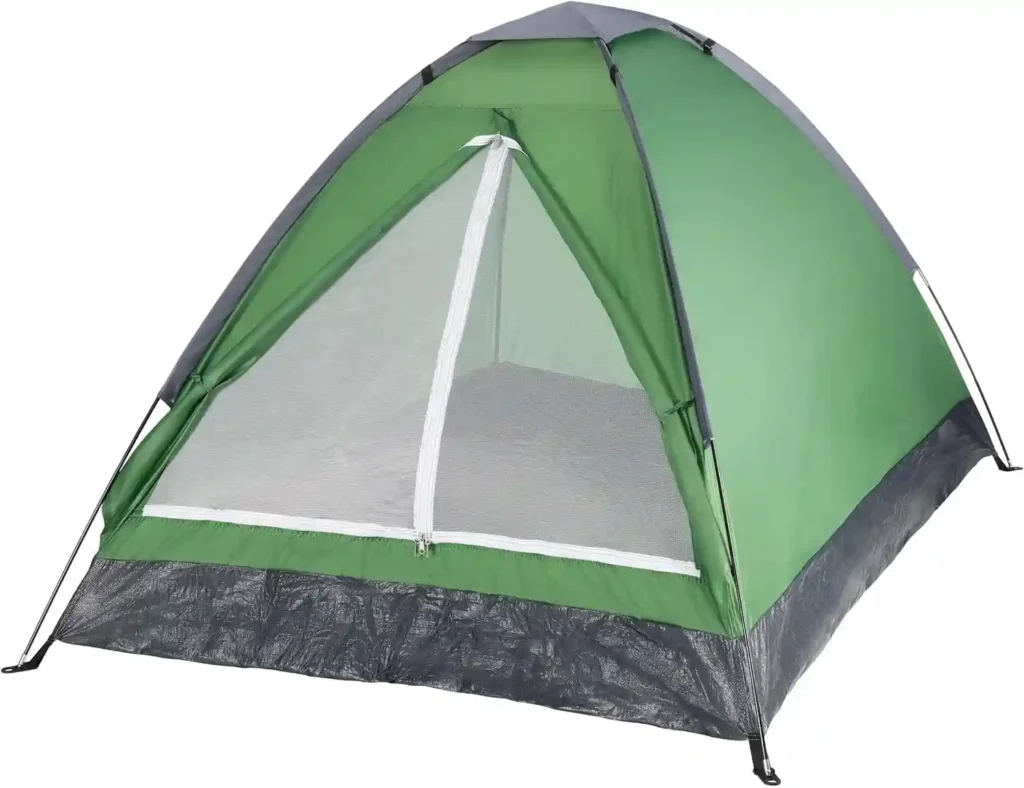
A tent is the most important item for camping. It protects you from rain, wind, and insects.
What beginners should look for:
- Easy setup (5–10 minutes)
- Waterproof material
- Good ventilation
- Lightweight (if carrying)
Best choice for beginners:
- 2-person or 3-person dome tent
- Instant setup tents (very easy for first-timers)
Tip:
Always choose a tent slightly bigger than needed. A 2-person tent can feel tight with gear.
2. Sleeping Bag – Stay Warm and Comfortable
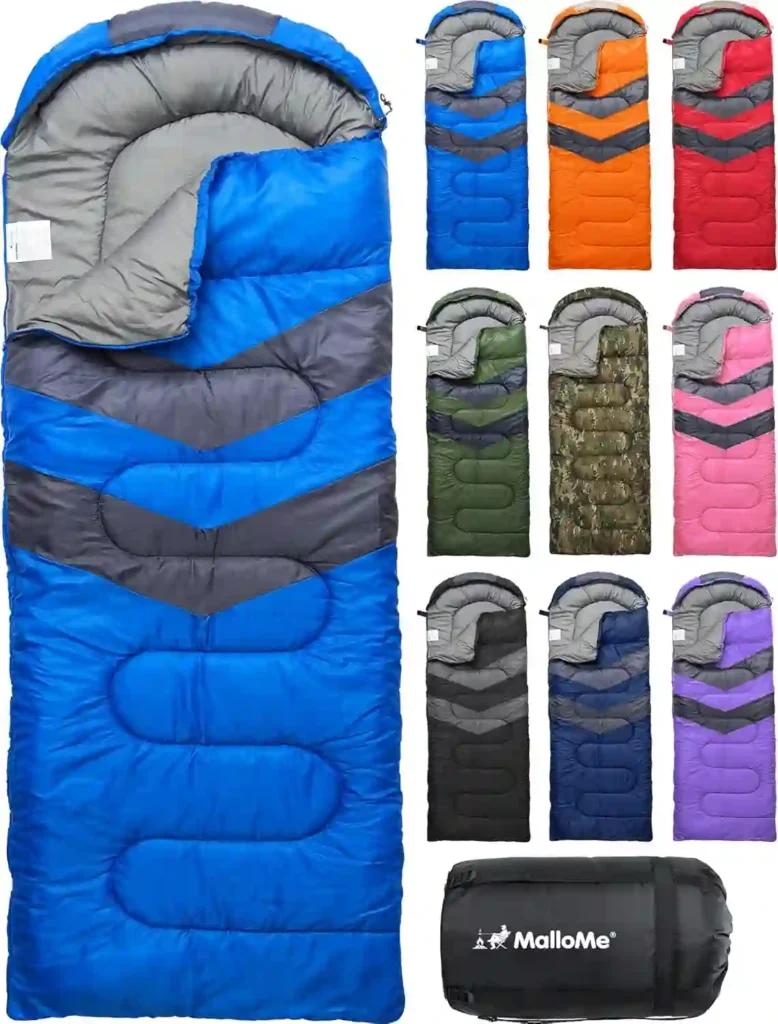
A good sleeping bag helps you sleep well at night. Cold nights can ruin your trip if you are not prepared.
Key things to check:
- Temperature rating (very important)
- Lightweight and compact
- Comfortable inner material
Beginner recommendation:
- 3-season sleeping bag (most versatile)
Tip:
Choose a sleeping bag rated for slightly colder temperatures than your trip.
3. Sleeping Pad – Better Sleep Outdoors
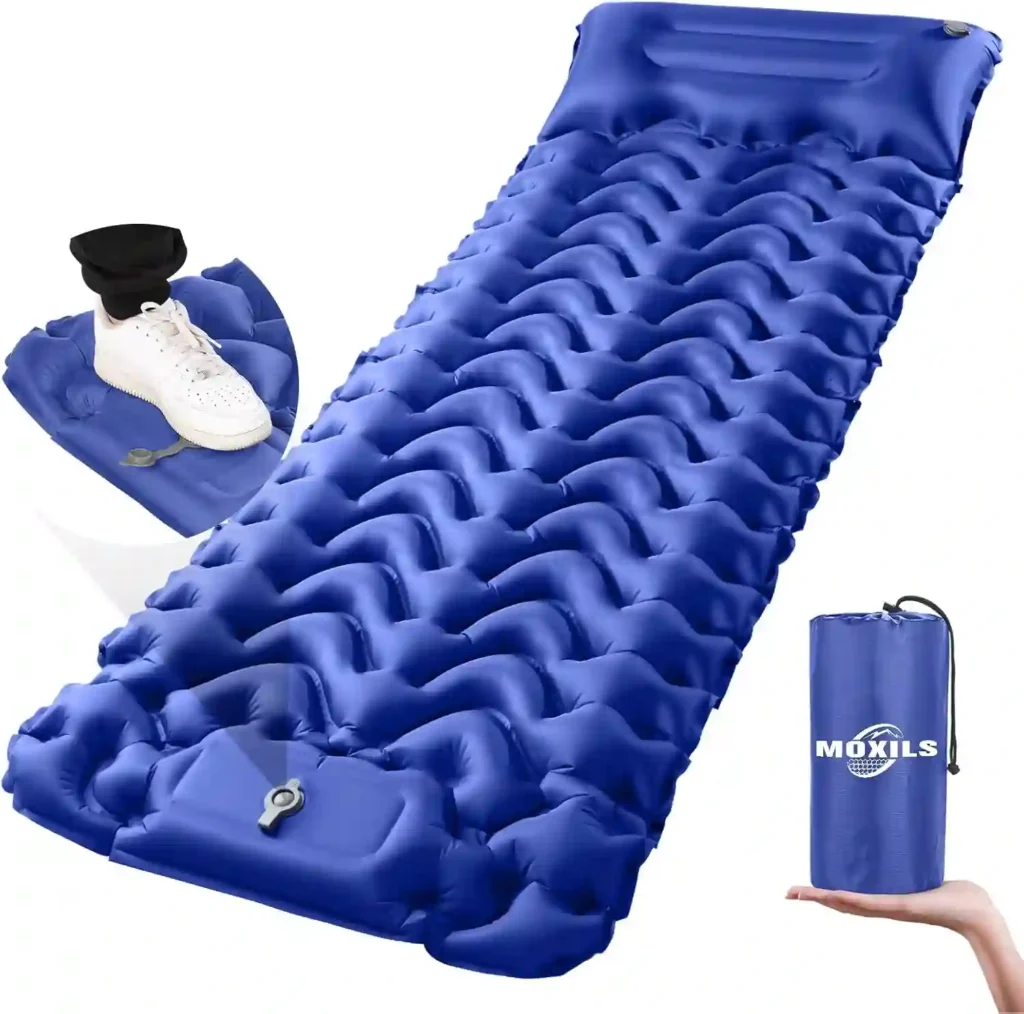
Many beginners ignore this, but a sleeping pad is just as important as a sleeping bag.
Why you need it:
- Adds comfort
- Protects from cold ground
- Improves sleep quality
Types:
- Foam pads (cheap, durable)
- Inflatable pads (more comfortable)
Tip:
If you want comfort, go for an inflatable pad.
4. Camping Stove – Easy Cooking
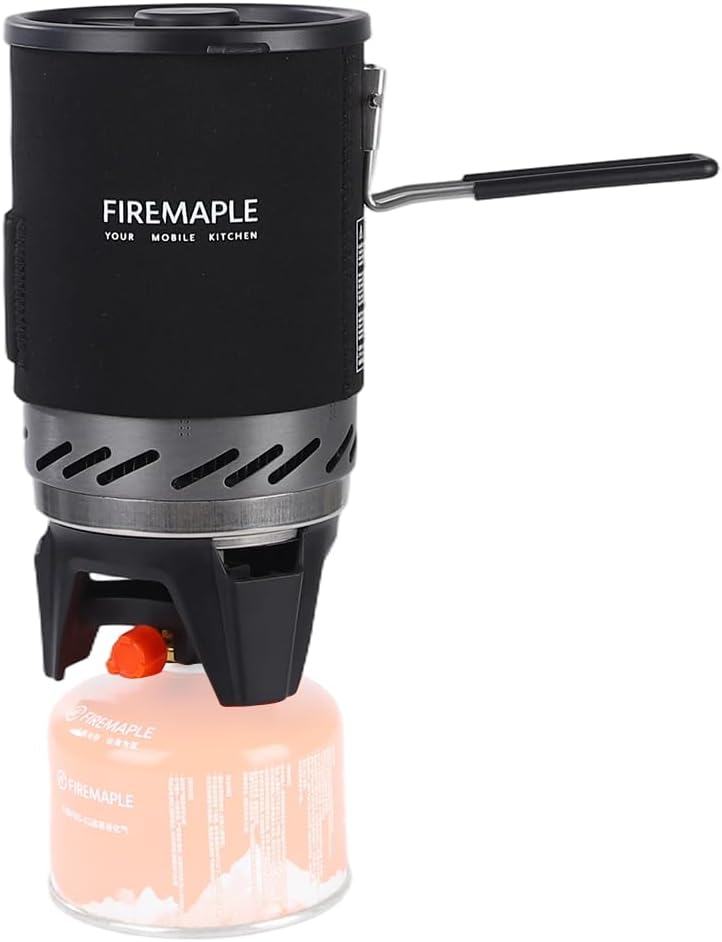
Cooking outdoors is part of the camping experience. A portable stove makes it simple.
Beginner-friendly options:
- Small propane stove
- Single burner stove
What to check:
- Easy ignition
- Fuel availability
- Lightweight
Tip:
Avoid complex cooking setups. Start simple.
5. Cooler – Keep Food Fresh
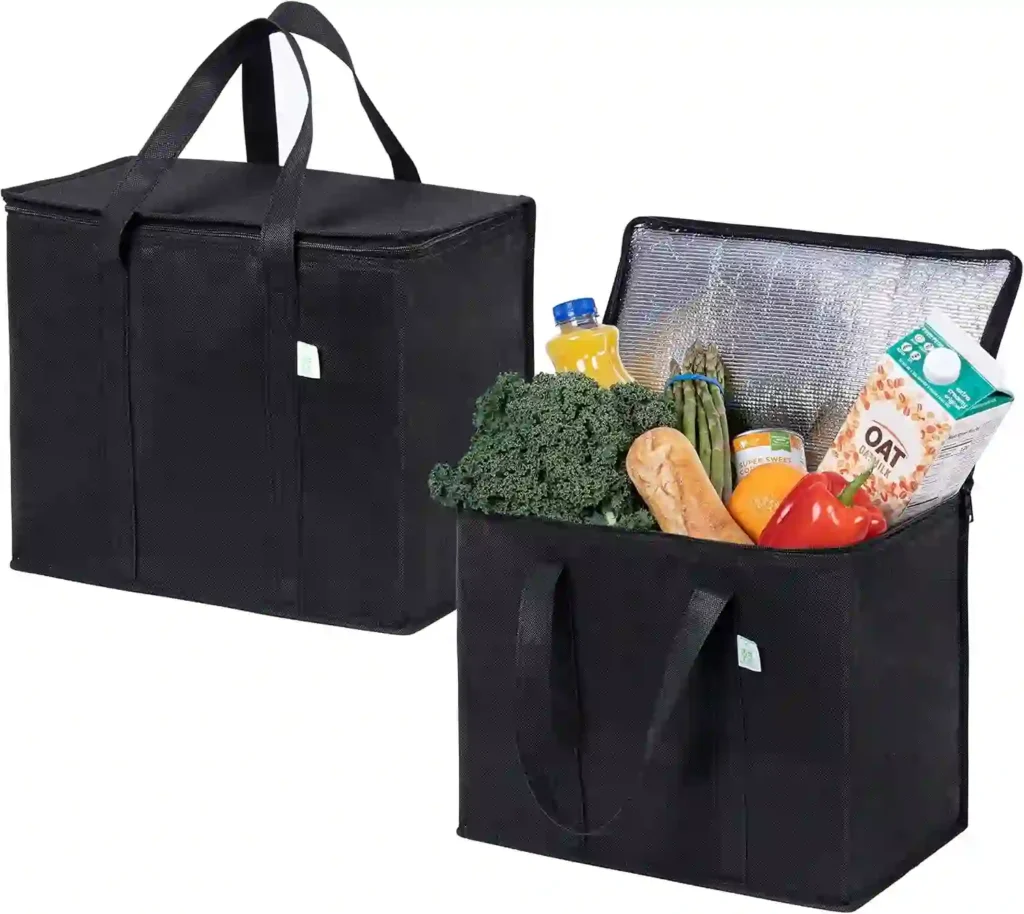
A cooler is important if you are camping for more than one day.
Why it matters:
- Keeps food safe
- Prevents spoilage
- Stores drinks
Tip:
Use ice packs instead of loose ice for better results.
6. Backpack – Carry Everything Easily
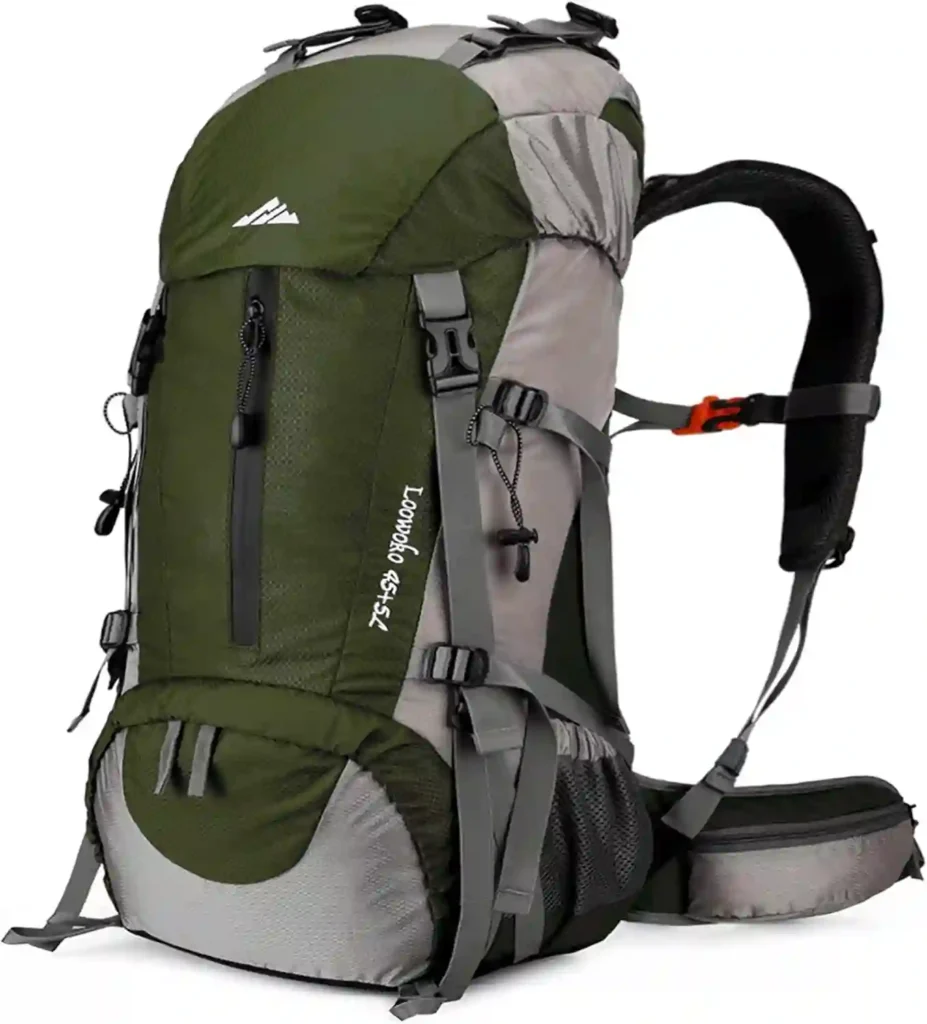
If you are not car camping, a backpack is essential.
What to look for:
- 40L–60L size
- Comfortable straps
- Lightweight
Tip:
Do not overload. Pack only what you need.
7. Lighting – Stay Safe at Night
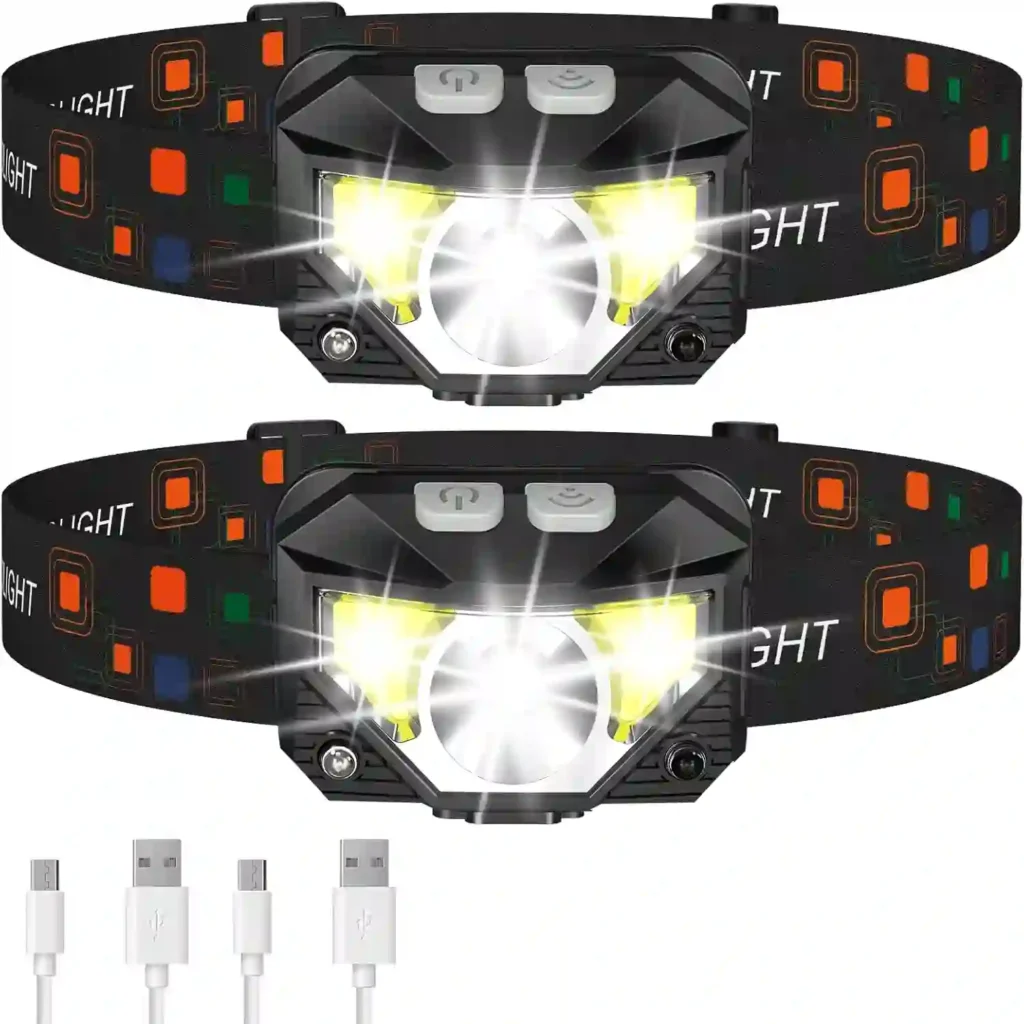
It gets very dark outdoors. Lighting is not optional.
Best options:
- Headlamp (hands-free)
- LED lantern
Tip:
Always carry extra batteries.
8. Water Filter – Clean Drinking Water
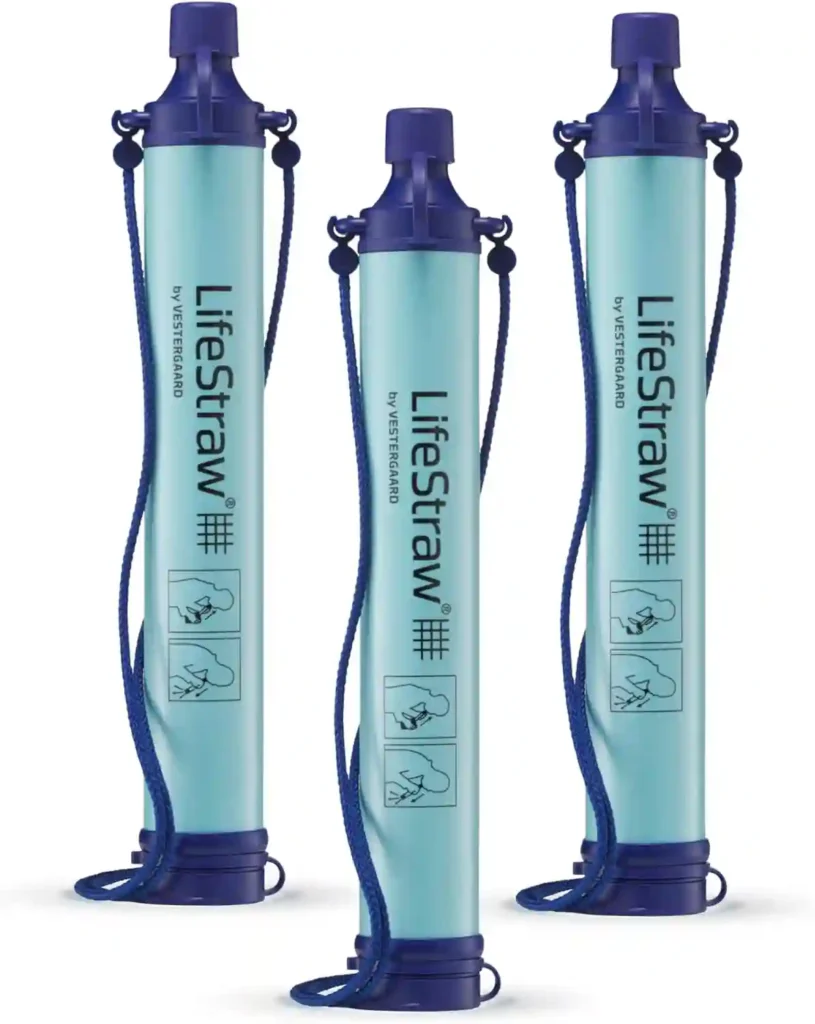
Clean water is critical for safety. According to the Centers for Disease Control and Prevention, untreated water can carry harmful bacteria and parasites.
Options:
- Portable water filter
- Water purification tablets
Tip:
Always have a backup water solution.
How to Choose the Right Camping Gear
Choosing gear is not about buying expensive items. It is about buying smart.
1. Budget
Start with affordable gear. Upgrade later when you gain experience.
2. Weather
- Summer → lightweight gear
- Winter → insulated gear
3. Trip Type
- Car camping → heavier gear is okay
- Backpacking → lightweight is important
4. Durability
Choose trusted materials. Cheap gear can fail quickly.
Common Mistakes Beginners Make
Avoid these mistakes to save money and frustration:
- Buying too much gear
- Ignoring weather conditions
- Choosing cheap low-quality tents
- Not testing gear before the trip
- Forgetting essentials like light and water
Simple Camping Checklist for Beginners
Here is a quick checklist:
Essentials:
- Tent
- Sleeping bag
- Sleeping pad
- Backpack
- Stove
- Food & water
Safety:
- First aid kit
- Flashlight
- Extra batteries
Comfort:
- Camping chair
- Pillow
- Blanket
Frequently Asked Questions
Q1: What camping gear do beginners really need?
You only need the basics: tent, sleeping bag, sleeping pad, food setup, and lighting.
Q2: Is expensive gear necessary?
No. Many budget options work perfectly for beginners.
Q3: Can I camp without a stove?
Yes, but a stove makes cooking much easier and safer.
Q4: How much should I spend on beginner gear?
A basic setup can cost between $150–$400 depending on quality.
Conclusion
Camping is not about having the most expensive gear. It is about enjoying nature, relaxing, and creating memories.
As a beginner, focus on:
- Simple and reliable gear
- Comfort and safety
- Learning from each trip
Start small. With time, you will understand what works best for you.
The right gear will make your camping experience easy, safe, and enjoyable—especially in the diverse landscapes of the United States.
Final Tip
Before your first trip, always test your gear at home or in your backyard. This simple step can save you from many problems outdoors.